


 Flash News
Police fire tear gas at protesters on the boulevard, injuring a girl
Barbaric violence against protester, group of policemen beat him relentlessly
"They kidnapped us in the middle of the square"/ American denounces: Men in black and with sticks took the young people
Police violence continues! The young man was standing still, the officer slammed him to the ground with force
Video/ They knock him down, drag him and kick him in the leg, footage of police violence against the young man

Ultra-processed foods (UPFs) not only affect metabolism, but also brain activity, according to a new study published in Nature Metabolism. The researchers found that even when foods with different processing have almost the same amount of calories, carbohydrates, fat, protein, water and salt, the body reacts differently to them.
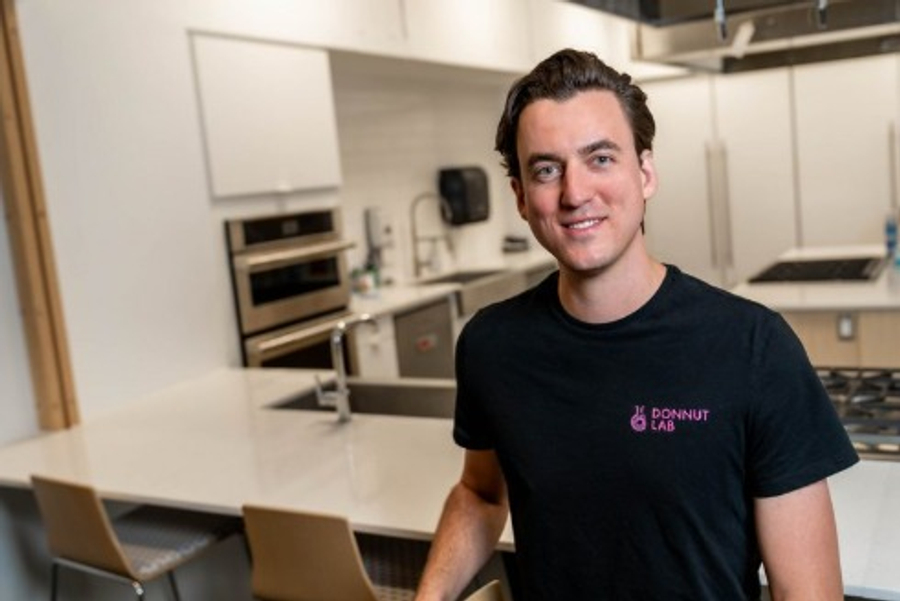
The study involved 57 healthy adults. They consumed, on different days, 300-calorie meals that were nearly nutritionally identical. One meal contained ultra-processed foods, such as a peanut butter and jelly sandwich, processed turkey, vegetable chips, crackers, and instant mashed potatoes. The other meal contained minimally processed foods, such as bananas, dried fruit, cheese, and eggs.
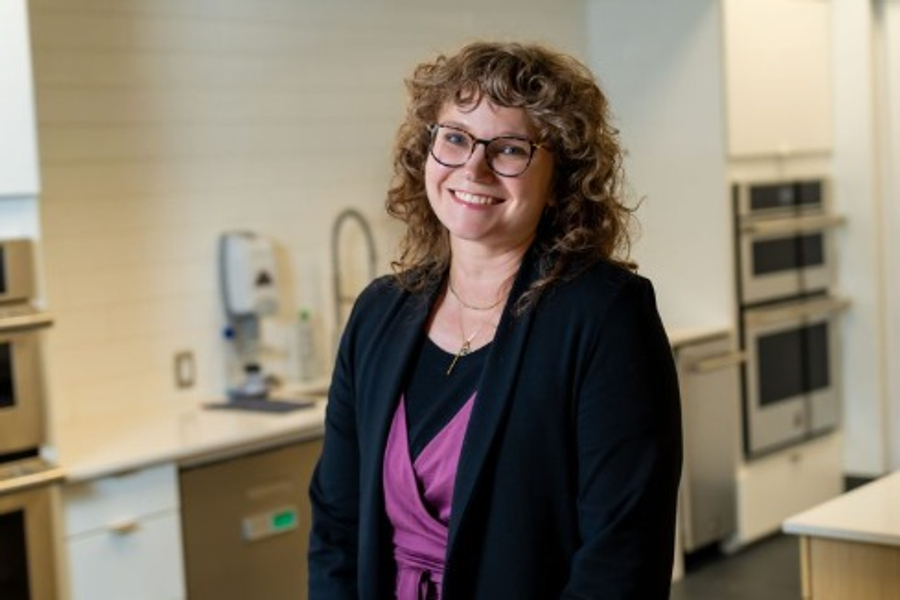 The results surprised the researchers. After consuming ultra-processed foods, the body produced more insulin, blood sugar stayed elevated for a little longer, and the body expended more energy while using fewer carbohydrates as an energy source.
 The researchers also used brain scans to look at the response to foods. Metabolic changes were linked to activity in areas of the brain associated with motivation, reward, and how the brain evaluates foods.
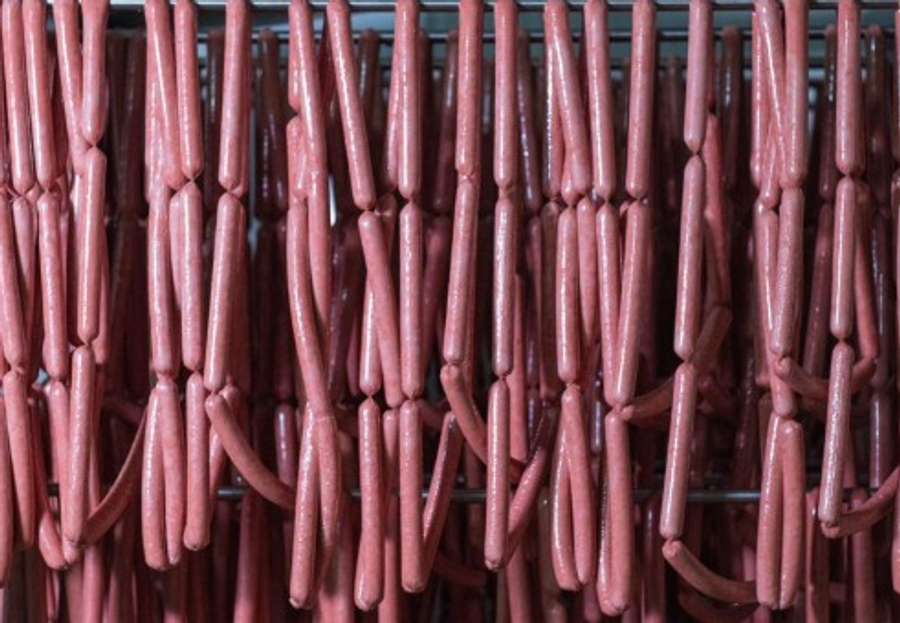
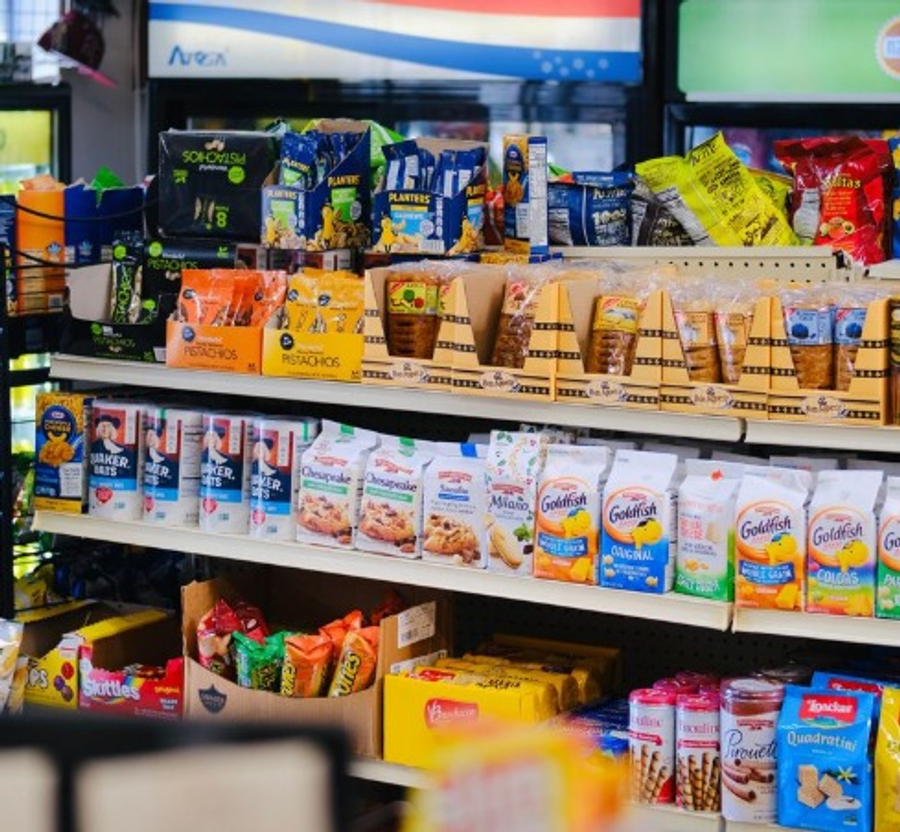
 UPFs include products such as sausages, breakfast cereals, crisps, ice cream, biscuits, soft drinks, instant soups and mass-produced bread. These foods are usually high in sugar, fat and salt, while low in fibre and protein.
 The study suggests that the way food is processed can affect how the body and brain respond to food, beyond its nutritional composition. The researchers plan to analyze the impact of additives and specific processing processes in the future. / Talker News
Të fundit

Student revolt/ German MEP: The culprit is Edi Rama
2026-10-16 21:58:39

What happens when the body processes ultra-processed foods?
2026-10-16 21:23:18
Officers beat foreign media reporter with rubber baton
2026-10-16 21:10:21


What unites the protesters in Tirana?
2026-10-16 20:38:28
Berlin: Albanian government to fulfill its obligations
2026-10-16 20:19:40

Rama removes servers and files from the prime minister's office
2026-10-16 19:41:18
Police fire tear gas at protesters on the boulevard, injuring a girl
2026-10-16 19:21:58

Barbaric violence against protester, group of policemen beat him relentlessly
2026-10-16 18:39:11
Monopoli që fshihet pas kioskave të Tiranës
2026-10-16 18:33:24


Today it is a shame to be a socialist!
2026-10-16 17:48:22
Protester's head splits on the boulevard
2026-10-16 17:43:37

Protest/ Four people in Trauma, including two minors
2026-10-16 17:21:10


Have you seen the footage of the violence? The police director avoids answering
2026-10-16 16:30:56
Protesters burn the door of the Ministry of Economy
2026-10-16 16:16:46
Clashes during yesterday, Police: 56 people arrested, 97 others prosecuted
2026-10-16 16:01:53
Students march towards the Prime Minister's Office, call on citizens: Join us!
2026-10-16 15:44:11

Tritoli in Gjirokastra, two arrested for the murder of Beqir Devoll
2026-10-16 15:18:51
Students protest in front of the Municipality and the Durrës Police Department
2026-10-16 15:04:16
IEA warns: Oil prices in Europe could rise, global crisis extended until 2027
2026-10-16 15:00:18


Video/ Police officers grab and drag the young protester
2026-10-16 14:21:19
Photo News/ Students defy police, sit cross-legged in front of the bus
2026-10-16 14:04:00

Protest escalates, police begin violent escorts of students
2026-10-16 13:37:00
Tensions in student protest, Israeli Embassy in Tirana closed
2026-10-16 13:22:42
Police begin firing tear gas and water cannon
2026-10-16 13:13:00


"Rama in jail, Bennett in jail"/ The SP headquarters in Shkodra is attacked
2026-10-16 11:00:45


Video/ Who are the masked people who enter police vehicles?
2026-10-16 09:42:00


BIRN: Police lost control of the territory and showed a lack of professionalism
2026-10-16 08:51:00


Morning Post/ In 2 lines: What mattered yesterday in Albania
2026-10-16 07:59:41
Gunshot wound in Shkoza, 45-year-old man ends up in hospital
2026-10-15 22:58:43


Student protest, Ahmetaj: Rama met with Belinda Balluku at the "Red Villa"!
2026-10-15 22:14:11


Protesters set fire to the entrance of the Ministry of Finance
2026-10-15 20:39:00
Tensions at the Ministry of Interior, tear gas is thrown from the terrace
2026-10-15 20:24:18

Officers are seen throwing stones at young protesters
2026-10-15 19:40:06
Photo News/ Flames engulf Boulevard, police "warm up"
2026-10-15 19:24:14
Other people's children
2026-10-15 19:14:30

Kiosk in front of the Pyramid burns down, firefighters don't intervene
2026-10-15 18:36:00
Berisha ultimatum to Rama: Choose the fate of Ramiz Ali, not Ceausescu
2026-10-15 18:21:44


Tear gas 'invades' the "Martyrs of the Nation" Boulevard
2026-10-15 17:36:57


Skënder Hita defends the use of tear gas in residential areas: It was necessary
2026-10-15 16:34:44


Police threaten parents: You will be held responsible for what your children do
2026-10-15 15:47:09
Police attacked, officers drag protesters away in Shkodra
2026-10-15 15:37:05


Breakfast, sleep and physical activity, how to better cope with stress
2026-10-15 15:08:00
Family members take police officer on duty to eat, little child hugs him
2026-10-15 14:55:00
Bank attacked in central Tirana
2026-10-15 14:46:13

Officers throw stones at protesters near the SP headquarters
2026-10-15 14:26:55
